A Remote Worker’s Guide to Living in Boston for a Month
As remote work continues to shape travel, this guide explores living and working in Boston for a month, from daily routines and work-friendly cafés to choosing the right neighborhood. We’ll also highlight why staying in an apartment-style suite in Back Bay offers the space, comfort, and flexibility remote workers need.
A Remote Worker’s Guide to Living in Boston for a Month
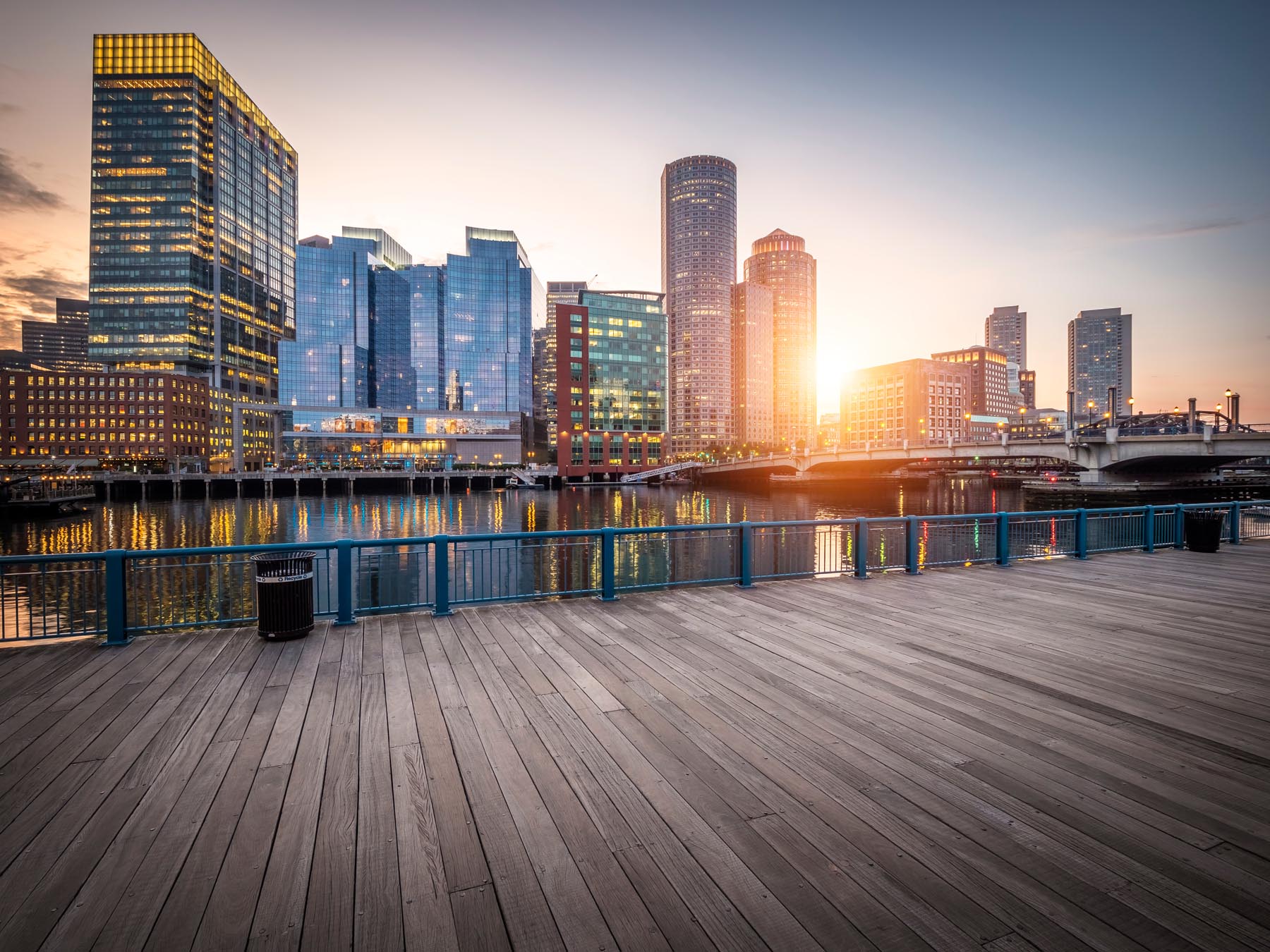
If you can work from anywhere, why not spend a month in one of America’s most walkable, history-packed, coffee-fueled cities? Boston is compact but full of variety, perfect for building a routine fast, meeting people, and staying productive without feeling stuck inside.
This guide covers where to stay in Boston, how to structure your days, and what to look for in short term rentals and monthly rentals, plus why an apartment-style suite in Back Bay can make remote life smoother from day one.
Why Boston works so well for a one-month remote-work stay
Boston is set up for “live local” travel. You can walk, bike, or take the T to most neighborhoods without needing a car. It’s also loaded with libraries, cafés, and coworking hubs, which makes it ideal when you want a change of scenery from your desk.
A few data points to ground the decision:
- Walkability: Boston consistently ranks among the most walkable large U.S. cities. Walk Score has repeatedly ranked Boston near the top among major cities, making it easier to build a routine without long commutes.
- Public transit footprint: The MBTA subway (the “T”), commuter rail, and buses connect core neighborhoods and beyond, helping you explore without a car.
Choosing the right neighborhood: where to stay in Boston for one month
When remote work is the priority, your neighborhood choice matters more than tourist checklists. Here’s a quick guide to where to stay in Boston depending on your vibe:
-
Back Bay (best all-around for remote workers)
Back Bay nails the “work + life” balance: beautiful streets, easy transit, great cafés, and quick access to the Public Garden, Newbury Street, and the Charles River Esplanade. It’s also one of the easiest places to live without a car.
If you’re comparing short term rentals or monthly rentals, Back Bay is a strong bet for saving time and energy every single day, because you’re already central.
-
South End (foodie energy + brownstone charm)
South End is packed with restaurants and cozy streets, great if your evenings are for dining and long walks. It can be slightly less “transit-central” than Back Bay, depending on exact location, but still very workable.
-
Cambridge (academic + startup scene)
If you want Harvard/MIT energy, bookshops, and tech events, Cambridge is worth a look. Great for networking, though it can feel busier, and price points for monthly rentals can be high.
-
Seaport (new, sleek, pricey)
Modern buildings, waterfront views, and newer gyms/cafés. It’s fun, but it can feel less “Boston classic”. Good if your work style loves modern amenities and you don’t mind a higher budget.
The remote-worker daily routine: a simple month-long rhythm
A month is the sweet spot: long enough to feel like a local, short enough to stay exciting. Here’s a routine that works well in Boston:
Morning: movement + coffee
- Walk the Esplanade or through the Public Garden before your first meeting.
- Pick one café as your “default” spot so you’re not decision-fatigued every morning.
Tip: Block 30 minutes after breakfast for “Boston admin”, checking the weather, planning a museum night, or sorting transit. Boston rewards light planning.
Midday: deep work + quick lunch
Boston is full of fast, high-quality lunch options (salads, sandwiches, seafood). Keep lunch simple so you can protect your best focus hours.
Afternoon: a change of workspace
If your accommodation has a desk (huge advantage), do deep work at “home base”, then move to a café for lighter tasks like email, admin, or planning weekend trips.
Evening: one local thing per day
Don’t over-schedule. Aim for one highlight each evening, like a walk on Newbury Street, a museum hour, or a casual dinner. That’s how a month's stay feels rich without becoming exhausting.
Work-friendly spots (cafés, libraries, and coworking)
Boston has plenty of places to get out of your room and still stay productive:
- Boston Public Library (Copley Square): A remote worker’s dream; quiet spaces, inspiring architecture, and steps from Back Bay.
- Coworking spaces: If you need phone booths, meeting rooms, and serious focus zones, a week pass can be a game-changer.
Short term rentals vs. monthly rentals: what remote workers should prioritize
When comparing short term rentals and monthly rentals, remote workers tend to care about a few non-negotiables:
- Reliable Wi-Fi (ask about typical speeds and backups)
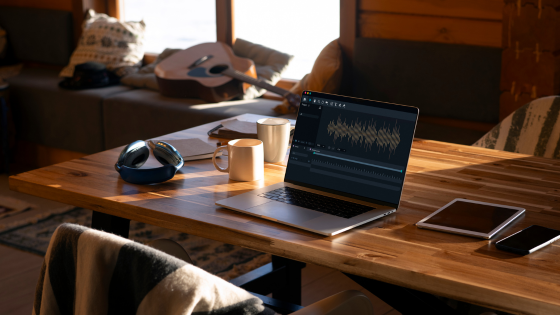
- A real workspace (desk/table + comfortable chair)
- Laundry access (on-site or in-unit makes life easier)
- Kitchenette or kitchen (even if you love restaurants, you won’t want every meal out)
- Flexible stay length (plans change, your housing should be able to adapt)
Many short term rentals are optimized for weekends. For a full month, monthly rentals that feel like a real apartment usually win on comfort, routine, and productivity.
Why an apartment-style suite in Back Bay makes remote work easier
Remote work isn’t just “having a place to sleep”; it’s having a place to live, think, focus, reset, and repeat.
Copley House offers apartment-style rooms and suites inside classic Back Bay brick row houses, giving you the neighborhood perks and the space and flexibility remote workers need for a month-long stay.
If you’re deciding where to stay in Boston, consider what you’ll value on day 12 (not just day 1): a comfortable setup, the ability to cook, and a location that makes your daily routine effortless.
- Learn about Copley House and the Back Bay location.
- Explore accommodations (apartment-style rooms & suites).
Quick checklist: your one-month Boston setup
- Pick a neighborhood that reduces friction (Back Bay is a strong “default”)
- Choose monthly rentals with true live/work space
- Build a repeatable weekday routine (walk + deep work + one local activity)
- Rotate 2-3 work spots (suite desk, library, café)
- Plan weekends or day trips (Salem, Cape Ann, Newport)
For more ideas on where to eat and how to explore the city, browse our dining guide and overview of Boston neighborhoods to help you plan your month with ease.
Ready to plan your month in Boston?
If you’re looking for short term rentals or monthly rentals that support real remote-work life (and you’re still deciding where to stay in Boston), Back Bay is an easy, energizing choice.
Explore Copley House’s apartment-style monthly rentals in Back Bay, discover local tips and experiences in our “Explore Boston” guides, or contact Copley House to start planning your stay.
Other Articles you may like
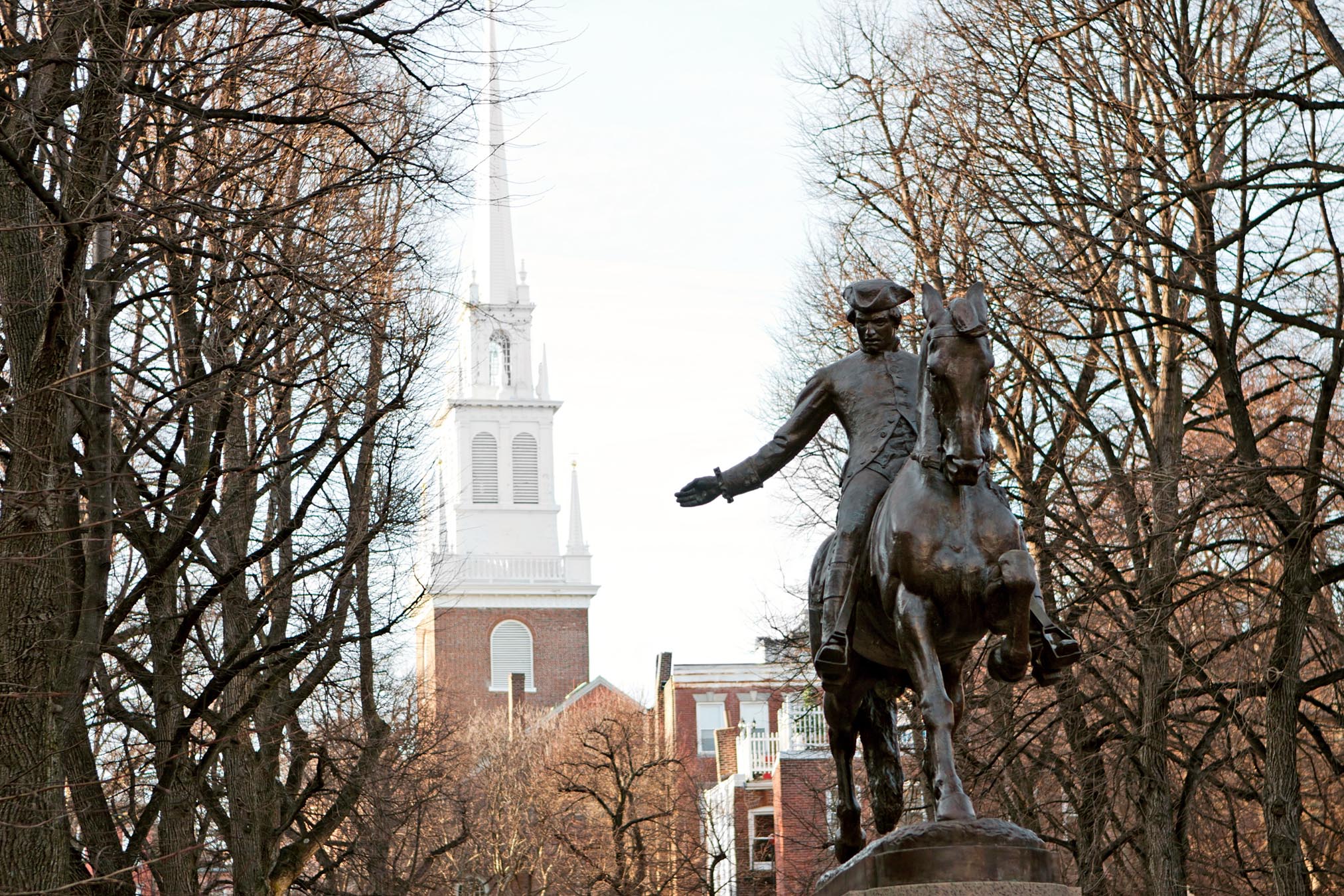
Boston is one of the oldest cities in America, and with that comes some quirks. Locals love to share their favorite oddities about this city, but it can be hard to know where to start if you're new here. That's why we've put together 8 Boston Oddities that are sure to both educate and entertain any visitor or resident.